Mortar is a visible part of a brick wall, but choosing replacement mortar is not simply a color decision. Repointing needs to be considered in relation to the existing brickwork, its condition, and the way the wall was built. A repair that looks tidy from the street may still be unsuitable if the materials and approach were selected without understanding the original construction. Before approving repointing, ask the mason how compatibility will be assessed and how the proposed work responds to the particular wall.
Start With the Existing Masonry
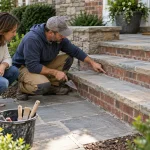
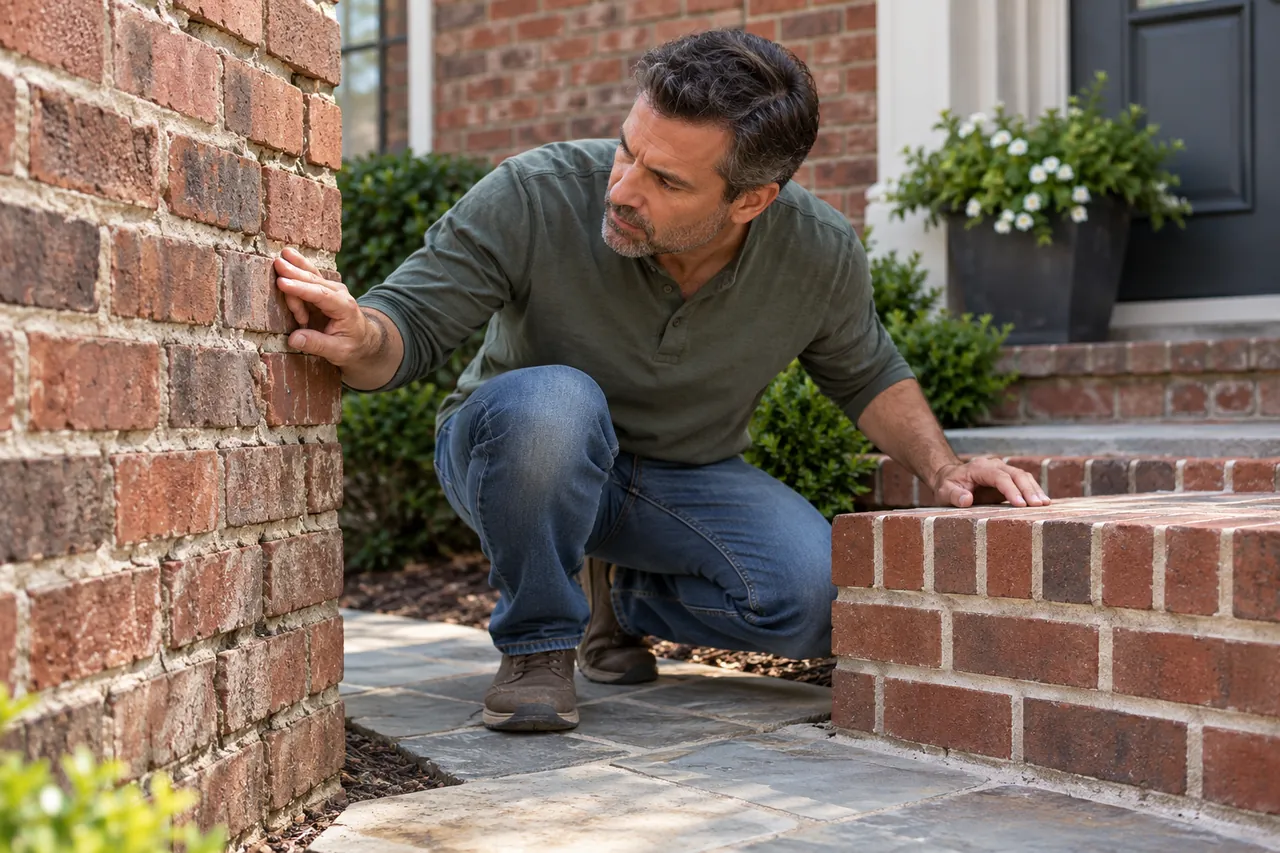
Tell the mason what you know about the building’s age and previous repairs. Different areas may have been altered at different times, so one wall can contain more than one repair history. Point out places where joints have deteriorated, brick faces are damaged, or earlier work looks noticeably different. These observations are useful context, but they are not a substitute for professional assessment. Avoid deciding that the hardest-looking or newest material must be the correct choice for the entire building.
Ask whether the masonry requires specialist conservation advice or material investigation before work is specified. Older or protected buildings can have requirements that go beyond an ordinary cosmetic repair. If records of previous work are available, share them rather than asking the contractor to infer everything from appearance. Keep uncertainty visible in the discussion. A careful proposal may identify information that needs to be confirmed before the final mortar selection is made, rather than claiming every detail can be determined from a quick photograph.
Discuss More Than the Color
Mortar compatibility includes properties that cannot be judged by comparing dry samples alone. Ask the mason to explain the proposed material in relation to the existing units and wall conditions. You do not need to choose a mix recipe yourself. You do need to understand why the recommendation fits this construction and whether any testing or specialist input is appropriate. A generic product description is less useful than an explanation connected to the brickwork being repaired.
Appearance still matters, especially when only part of a wall is being treated. Discuss joint width, profile, texture, and color as separate characteristics. A close color match can look wrong if the joint shape is noticeably different. Ask how a sample area will be prepared and reviewed before broader work proceeds. The sample should be assessed under suitable conditions after the material has developed its intended appearance, not treated as a final match while it is freshly applied and visibly wet.
Define the Repointing Area
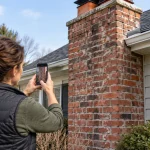
Ask which joints need attention and how the contractor arrived at that boundary. Localized repairs and full-area repointing have different implications for appearance, access, and scope. A wall with scattered deterioration does not automatically require every joint to be treated, while a small visible defect may be part of a wider issue. Request an explanation rather than assuming either the smallest or largest proposal is inherently the most appropriate. Marked photographs can help everyone discuss the same locations.
Clarify how damaged bricks, concealed problems, or unexpected earlier repairs will be handled if they are encountered. Repointing and replacing masonry units are different tasks, and the estimate should distinguish them. Ask how changes will be documented and approved. Also discuss protection of nearby windows, paving, plants, and entrances. The work may be limited to mortar joints, but the preparation and access arrangements still affect the surrounding property and should not be left to assumptions on the first morning.
Review the Finished Work Thoughtfully
Agree on how the completed area will be reviewed against the approved sample and scope. Ask which visual differences are expected during curing and what conditions should prompt a follow-up conversation. Do not judge the entire result from one wet joint or a photograph taken under unusual lighting. At the same time, keep clear records of the agreed appearance so concerns can be discussed specifically rather than reduced to a vague feeling that the wall looks different.
Retain the material description, approved sample photographs, repair locations, and any care instructions. These records are valuable when another section of the building needs attention later. Avoid applying sealers, cleaners, or coatings without checking their suitability for the repaired masonry. If water or movement concerns remain, follow the recommendations for further assessment instead of assuming new mortar has resolved every underlying issue. Repointing has a defined role within the care of the wall, not a universal ability to correct unrelated defects.
A good repointing conversation connects the replacement mortar with the masonry it will join. By asking about compatibility, sample approval, repair boundaries, and follow-up, you can make a more informed decision without trying to prescribe technical methods yourself. The result should be a clearly explained repair approach that respects both the wall’s appearance and the characteristics of its existing materials.