Browse the Journal
Articles by Demo Site Team
-
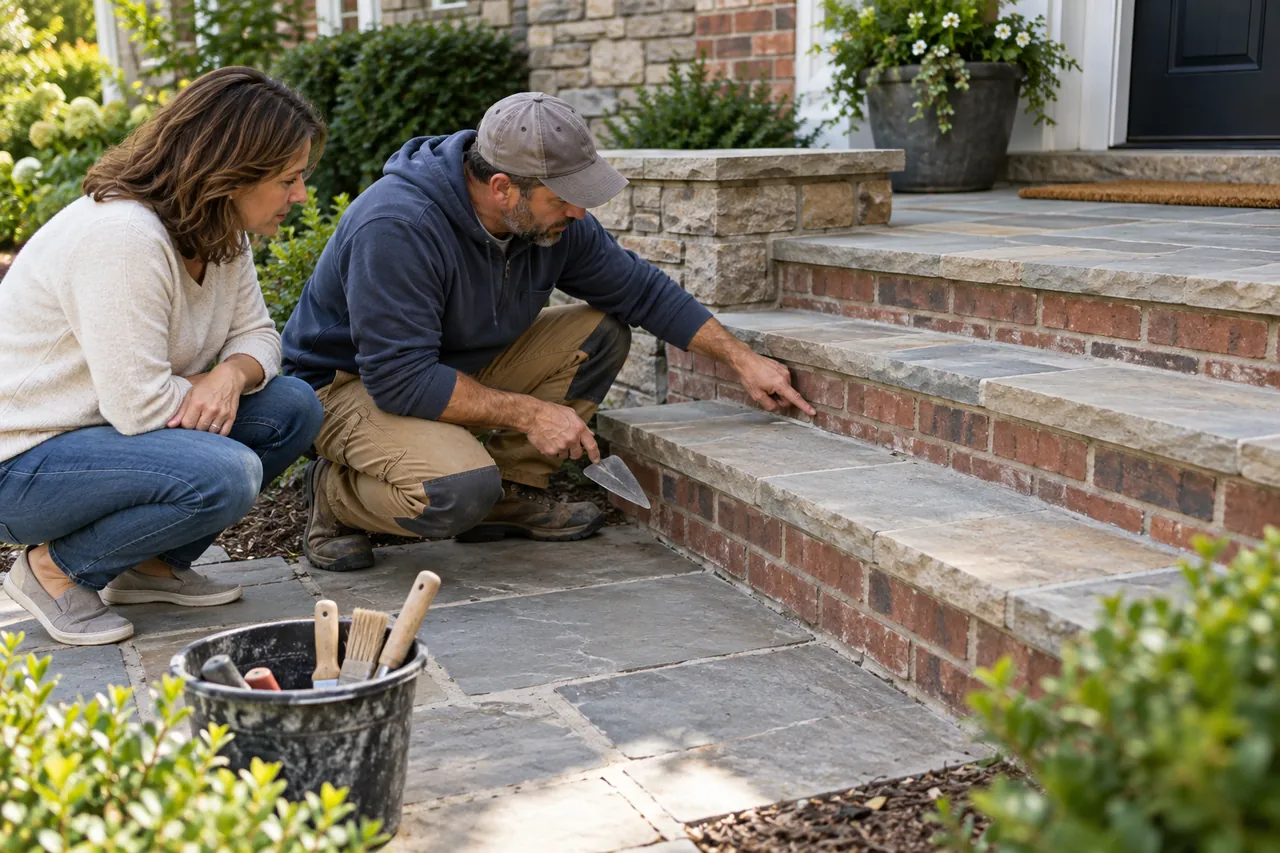
Keeping Useful Records of Brick and Stone Repairs
Keep masonry photographs, approved scopes, material references, and completion guidance organized so future assessments can build on a useful repair history.
-
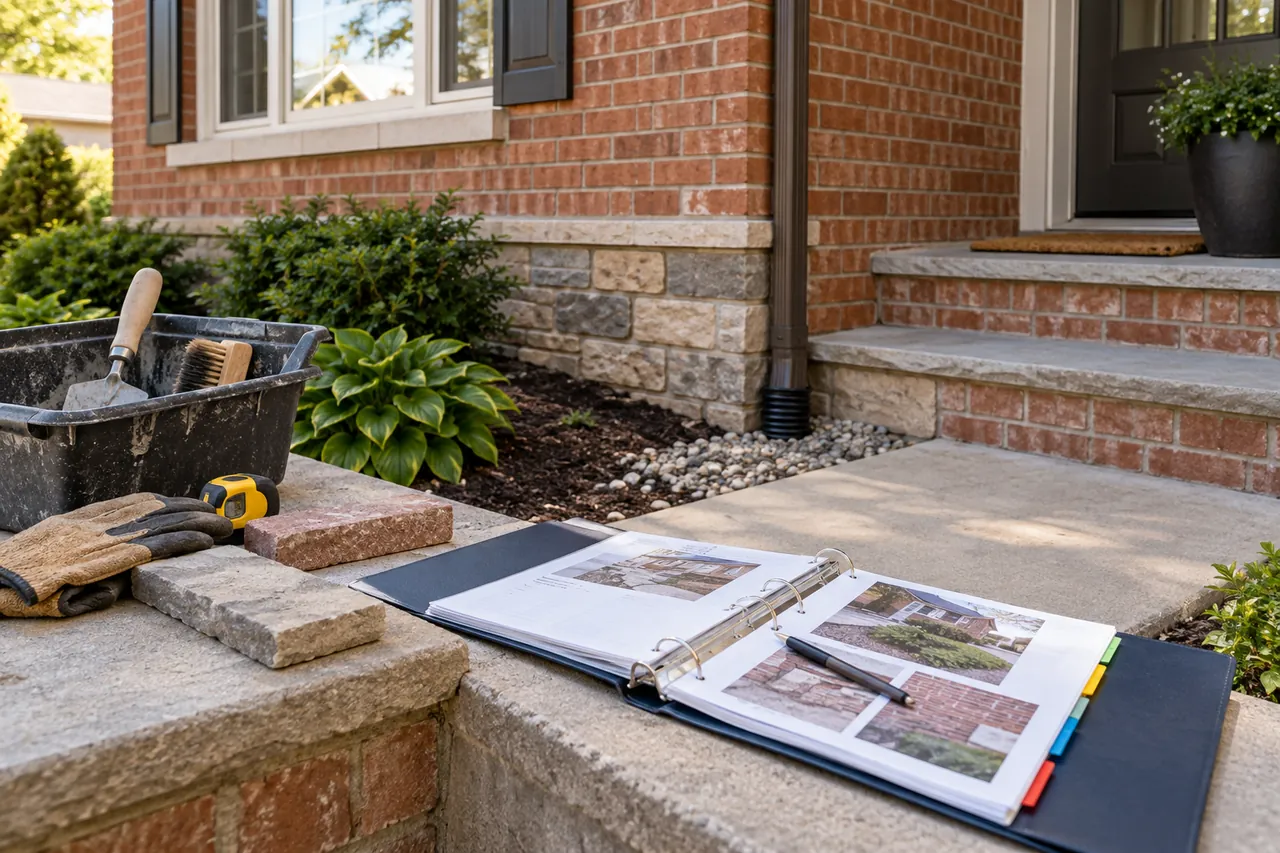
Preparing a Lived-In Home for Masonry Repairs
Prepare an occupied home for masonry work by agreeing on access, storage, protection, household routes, communication, and the final cleanup responsibilities.
-
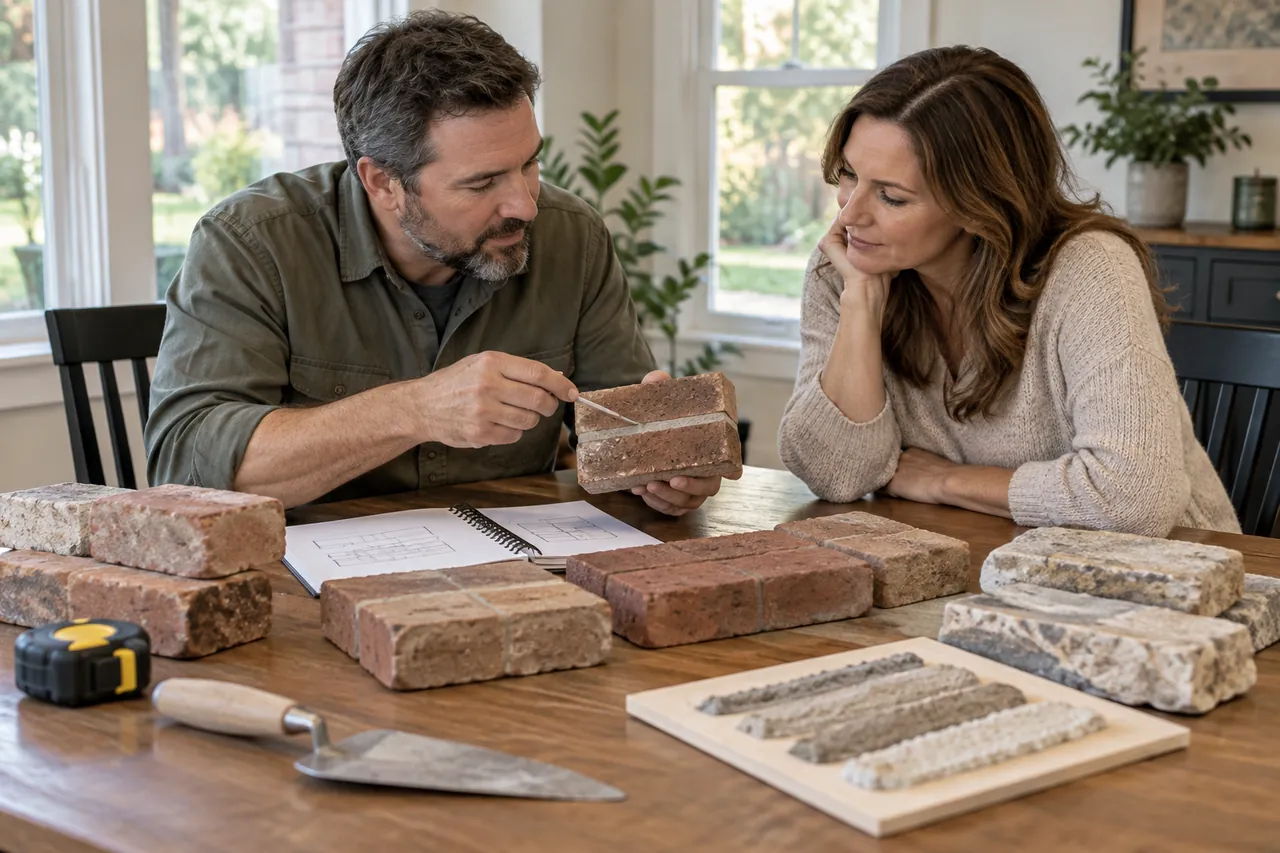
Comparing Brick and Mortar Samples in Natural Light
Compare brick and mortar combinations under relevant daylight, considering texture, joint shape, normal variation, and a documented sample approval process.
-
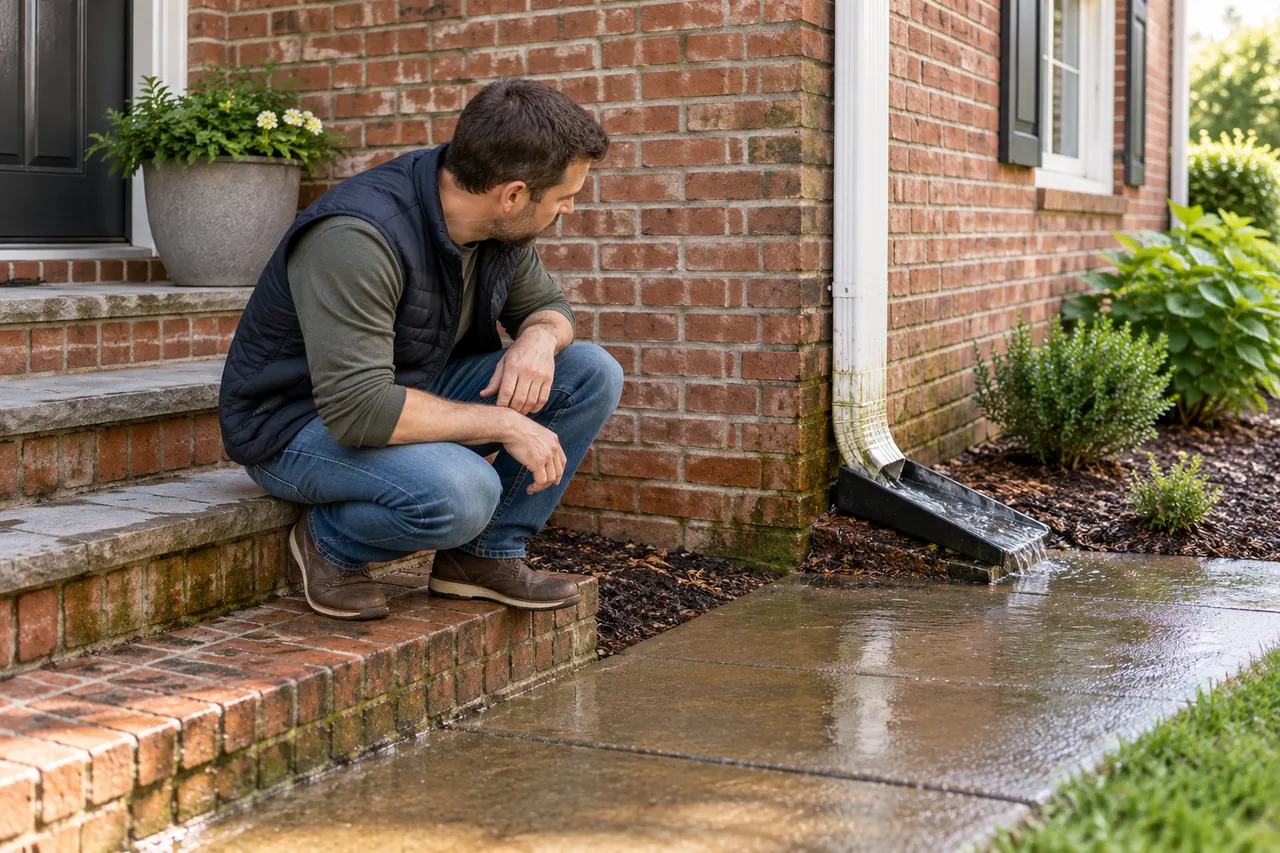
How Water Affects Brickwork Around a House
Observe water-related masonry concerns in context, coordinate adjacent repairs, and retain records instead of choosing a surface treatment from appearance alone.
-
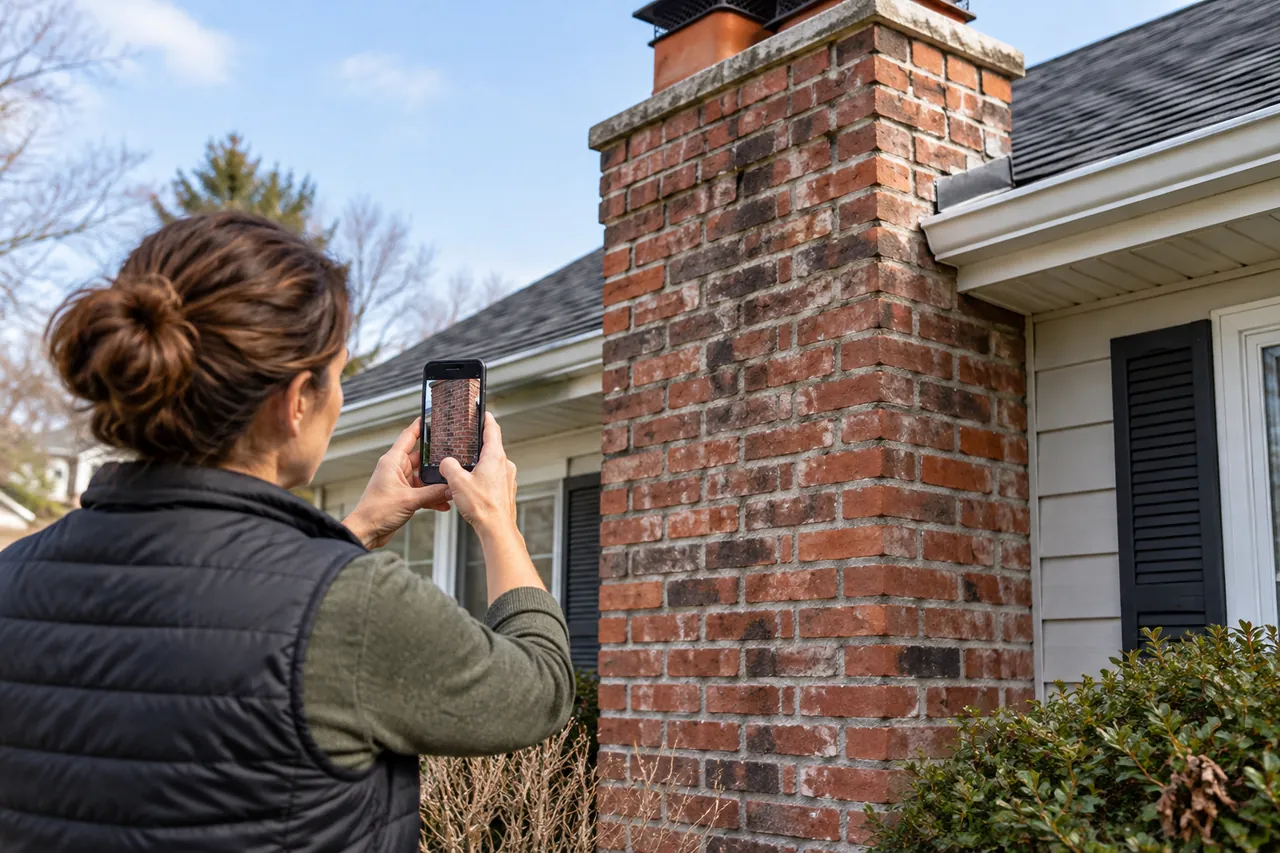
Visible Chimney Masonry Changes Worth a Closer Look
Document visible chimney changes from safe locations and distinguish exterior masonry repairs from separate assessments of concealed components or appliance operation.
-
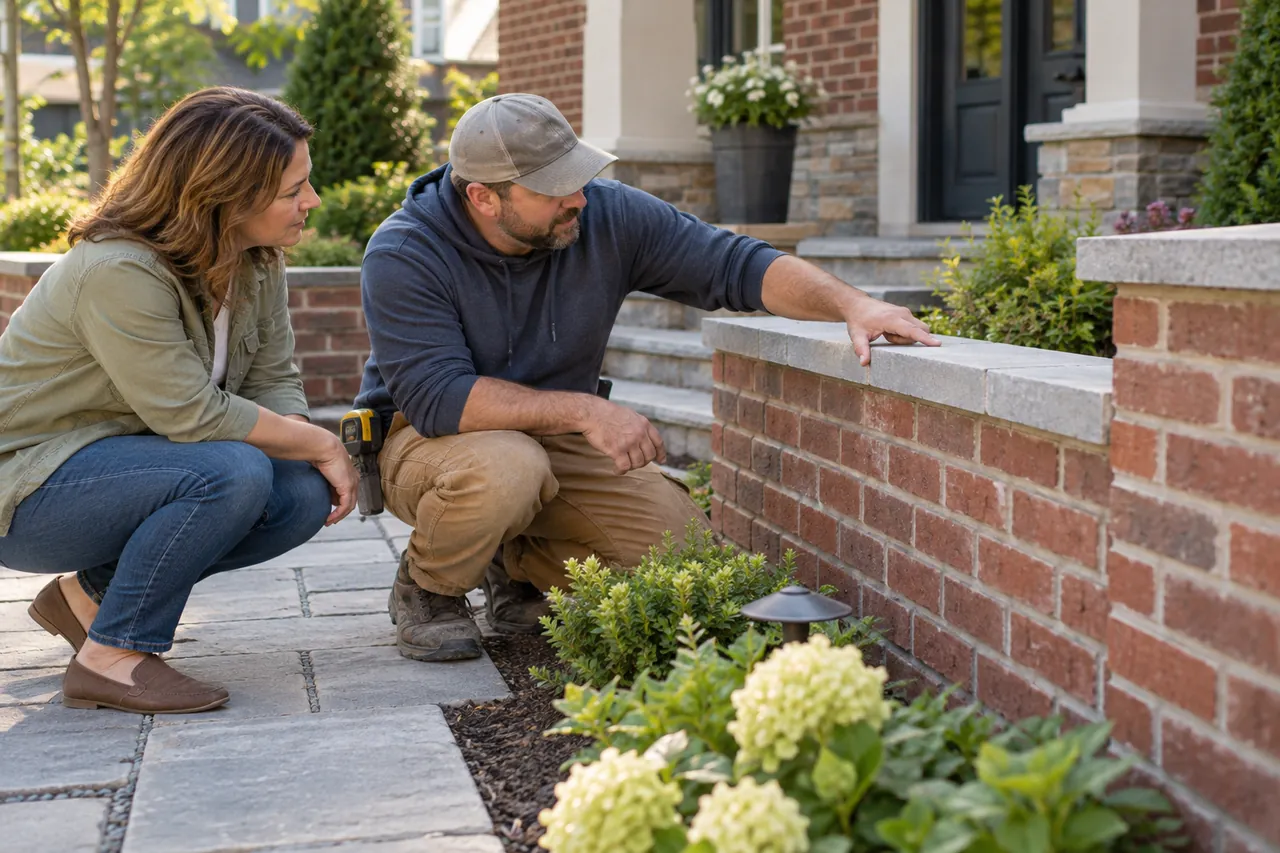
Designing a Brick Garden Wall That Belongs to the Home
Connect a garden wall with its purpose, the home, adjacent planting, and ground conditions before choosing brick or decorative details.
-
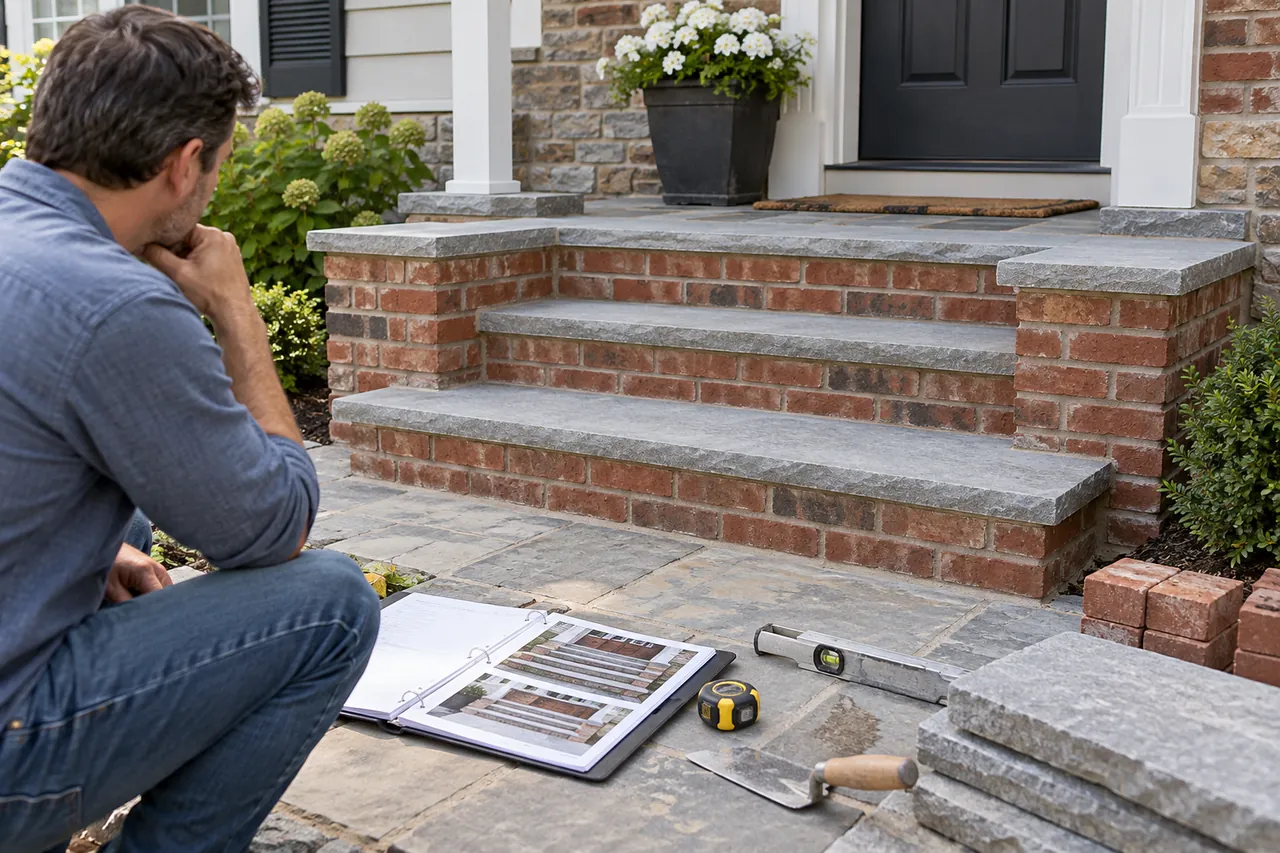
What to Review Before Rebuilding Masonry Entry Steps
Review an entry as a complete assembly before rebuilding steps, including everyday use, related features, material suitability, and temporary household access.
-
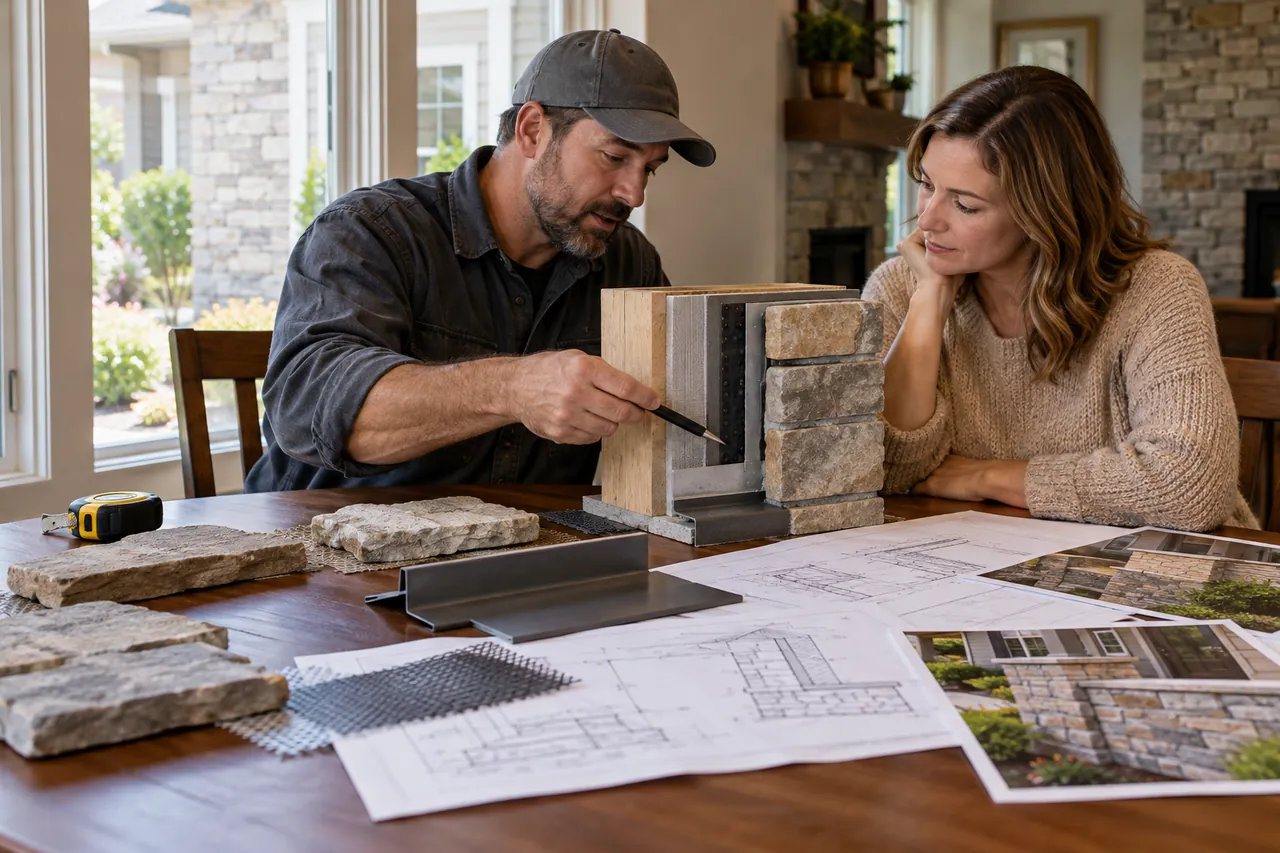
Planning Stone Veneer Around More Than Its Appearance
Plan stone veneer through its receiving surface, openings, edges, moisture details, and material references before selecting the final visible arrangement.
-
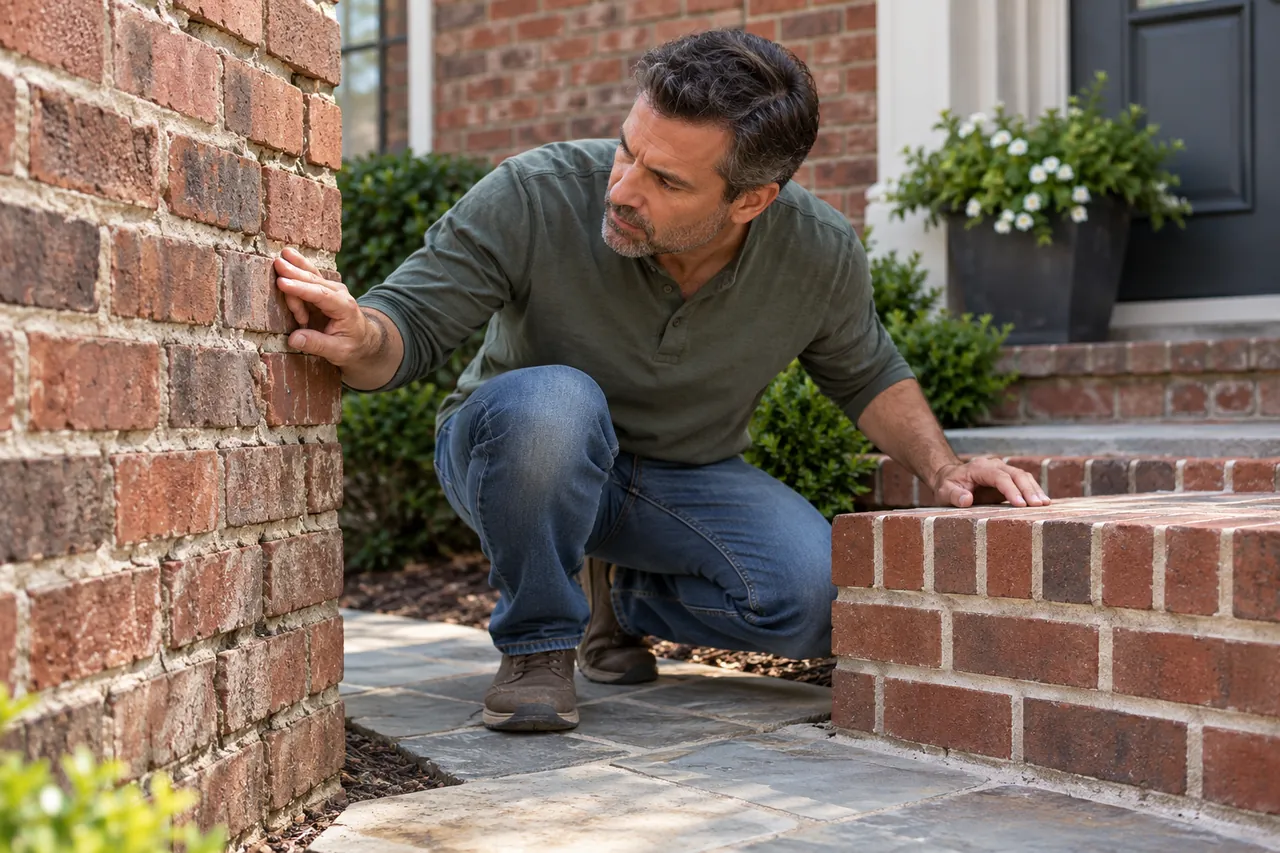
Why Mortar Compatibility Matters When Repointing Brick
Explore why repointing decisions involve existing materials, joint profiles, sample review, and compatibility rather than choosing replacement mortar by color alone.
-
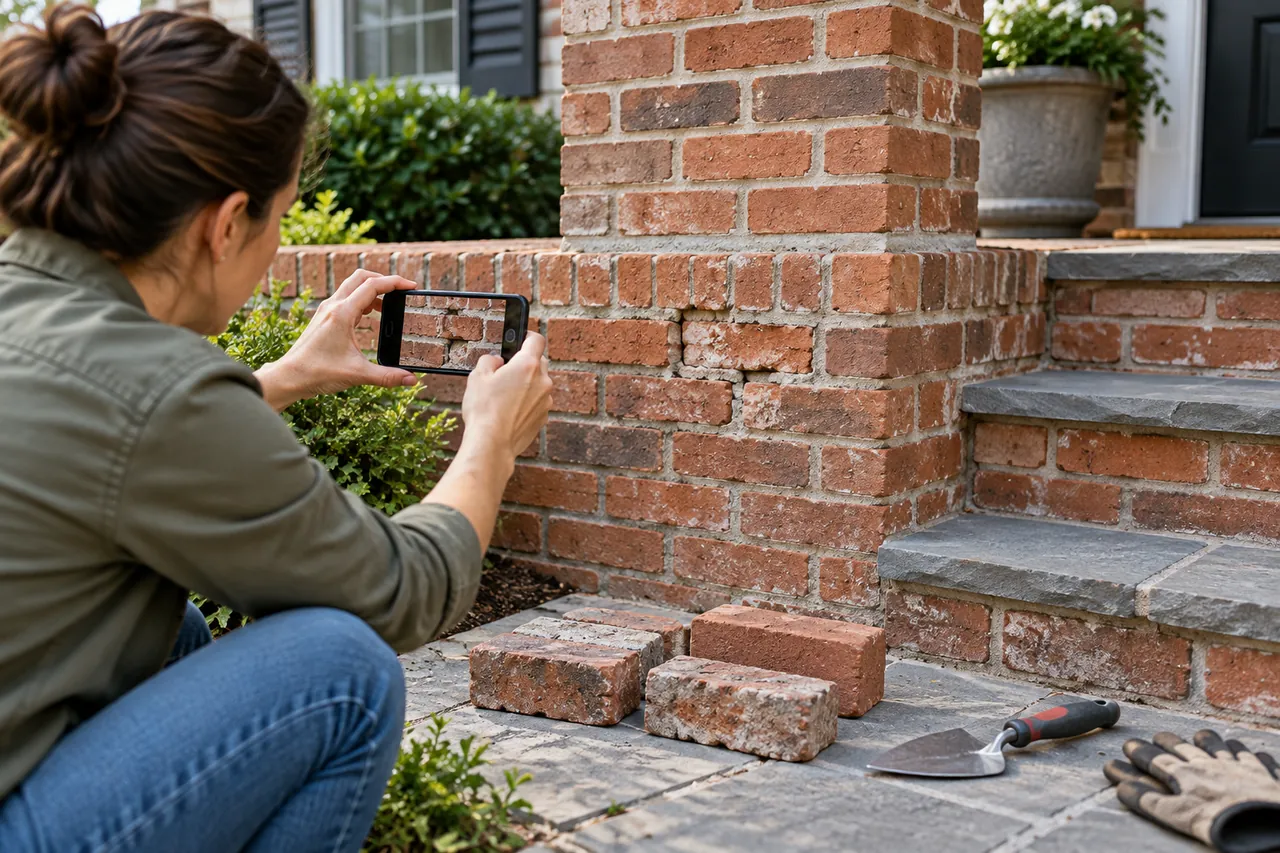
Repairing Damaged Brick Without Losing the Original Character
Review damaged brick within the surrounding wall, considering repair boundaries, compatible replacements, appearance references, and the history of earlier masonry work.